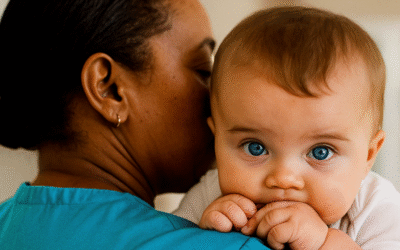
Who actually carries the care
For most South African families, that care still falls to relatives — usually daughters and other female kin, often at real personal cost. A University of Cape Town study following caregivers and older persons across the Western Cape, Eastern Cape and KwaZulu-Natal found that family caregiving frequently means women relocating, leaving jobs, or juggling care for both children and parents at once, in households already stretched thin. “Ageing in place” sounds gentle in policy language. In practice, it often means the responsibility quietly shifts from the state to the family — and the family absorbs the cost.
Professional home-based care doesn’t remove that responsibility from a family. What it does is share the load — bringing in someone trained, vetted, and consistent, so the people who love your parent most can go back to being their daughter, son, or spouse, instead of their round-the-clock caregiver.
What actually changes when care moves home
Familiar surroundings matter more than people expect, especially for someone living with dementia or general frailty. Routine, personal belongings, a well-known layout — all of it reduces the disorientation and anxiety that a hospital ward or unfamiliar facility can trigger.
For recovery after surgery or illness specifically, the research is more nuanced than most agencies let on. Structured reviews of hospital-at-home and early-discharge programmes consistently show shorter hospital stays and lower overall cost, and patients often report better comfort and quality of life. What the evidence does *not* consistently show is a guaranteed drop in readmission rates — a recent systematic review of early-discharge home care for older adults found no significant difference in readmissions compared with staying in hospital. We’d rather tell you that honestly than promise a number we can’t back up. The real case for recovering at home is comfort, continuity, and cost — not a guarantee against ever going back to hospital.
Where we fit in
Agapé Care places vetted, directly-employed caregivers with families across the Western Cape for non-clinical elderly and frail care and post-hospital recovery support — help with daily living, mobility, companionship, and a consistent presence for people recovering, ageing, or living with a chronic condition.
We’re not a nursing agency, and we don’t claim to be one. Before a placement begins, we conduct a professional needs assessment with an independent registered nurse consultant — covering medical and psychological needs, the physical space, and any risks in the home. That distinction matters: the caregiver in your parent’s home is there because we vetted them carefully for exactly that role, not because we’re stretching a nursing service to cover ground it wasn’t built for.
If you’re weighing the decision
None of this makes the decision easy, and it shouldn’t be. What we can offer is a caregiver who’s been properly vetted, an honest account of what home-based care can and can’t do, and a conversation before you commit to anything.
Get in touch and we’ll talk through your specific situation.
Sources
- Statistics South Africa, Marginalised Groups Series VIII – Healthy Ageing in South Africa, 2024
- UCT Family Caregiving Programme, findings on family care of older persons
- Systematic review, hospital-at-home vs traditional care for older patients — shorter stays, lower cost
- Systematic review, early-discharge hospital-at-home for older people — no significant readmission difference